
Abundance that arrives
Citrine is the tradition's brightest prosperity stone — worn to invite income, opportunity and generous seasons. It's the classic bead for launches, salary talks and new shops.
Earth element (土)
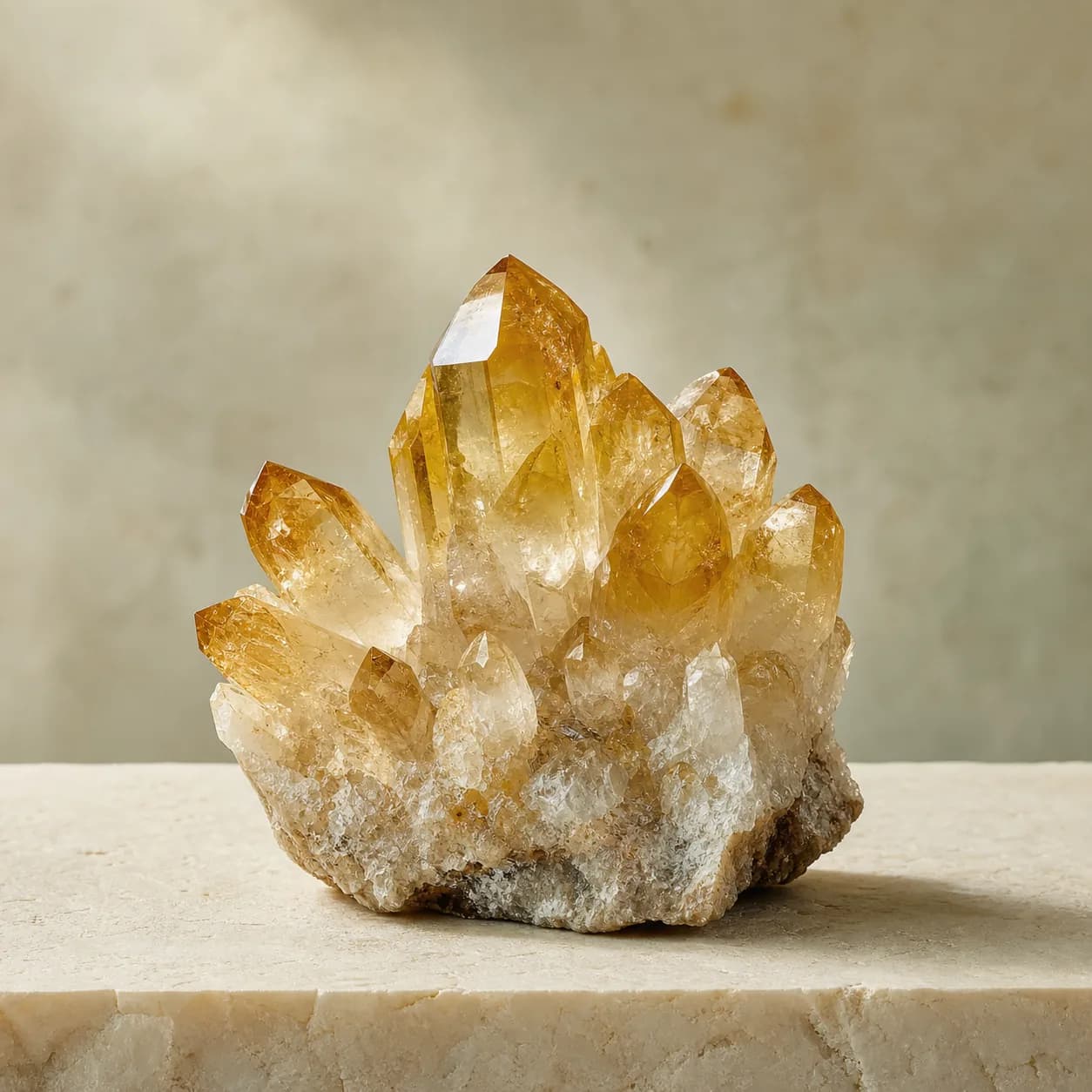
Golden quartz · 黃水晶
Citrine is quartz warmed to lemon and honey by iron — a stone that looks like bottled morning. Old European shopkeepers kept a citrine in the cash box, which earned it the name that stuck: the merchant's stone. Its tradition is abundance in both directions — attracting the new and, just as important, keeping what's already come in.
Citrine is the tradition's brightest prosperity stone — worn to invite income, opportunity and generous seasons. It's the classic bead for launches, salary talks and new shops.
The merchant's-stone lore is specific: citrine doesn't just attract, it holds. Tradition reads it as the stone of money managed — savings that survive the month.
Citrine's yellow carries an unforced optimism — the mood of a good morning extended through the day. It's worn against gloom the way a bright kitchen is painted against winter.
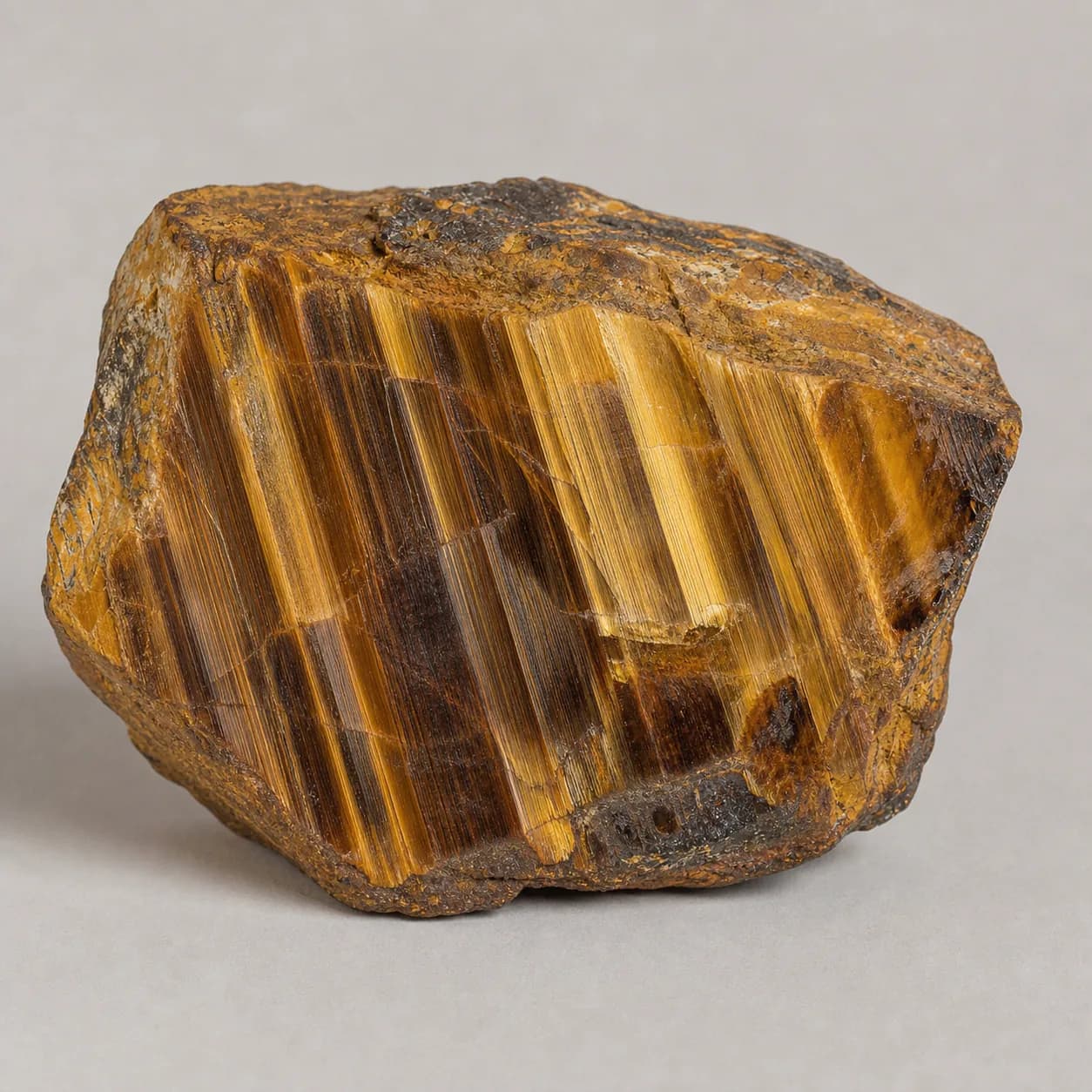
Citrine's gold places it in the Earth element — the harvest end of the cycle, where effort becomes stores. In a strand it plays the treasurer: pair it with Wood stones for ventures still growing, or tiger eye for the full earn-and-keep axis. Read your own five-element chart to see how much Earth your birth date calls for.
Tradition wears citrine on the left wrist to receive abundance, and keeps one near where money is handled — desk, till, ledger. It brightens any strand; a single citrine among dark beads reads like a coin in a well.
Citrine is a robust quartz with one caveat: long direct sun slowly pales its honey tones. Rinse in lukewarm water, dry, and store it shaded to keep the gold deep.
 土
土 土
土 土
土 土
土