
Openness after hurt
Kunzite's defining tradition is the unguarded heart — choosing softness again after a season that argued for armour. It's a companion stone for recoveries of every kind.
Fire element (火)
Lilac-pink spodumene · 紫鋰輝石
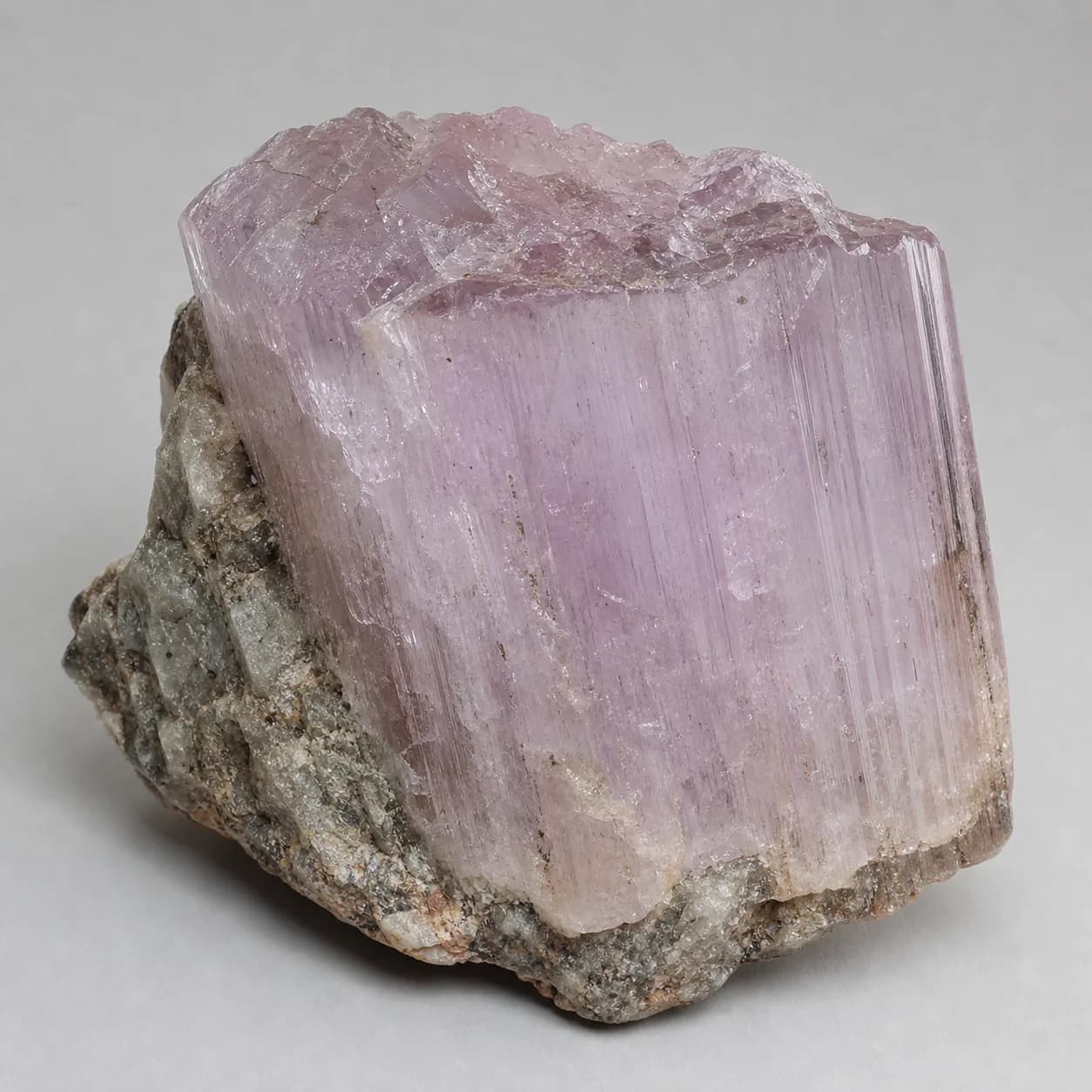
Kunzite is a young stone with an old soul — identified only in 1902, a lilac-pink spodumene whose colour comes from manganese and whose glassy sheen shifts as you turn it. Its tradition formed fast and stuck: kunzite is tender strength, the stone of hearts that stay open after they've learned what that costs.
Kunzite's defining tradition is the unguarded heart — choosing softness again after a season that argued for armour. It's a companion stone for recoveries of every kind.
The stone reframes tenderness as a discipline rather than a weakness. It's worn by people whose work runs on patience: caregivers, teachers, anyone raising anything.
Kunzite's clarity is read as a nudge toward feeling what's actually there — naming the emotion instead of managing around it.
Kunzite's lilac-pink places it in the Fire element's most inward register — warmth turned toward the emotional life. In a strand it softens Fire into empathy; pair it with Water stones like moonstone for depth, or rose quartz for a full heart-toned palette. Read your own five-element chart to see how much Fire your birth date calls for.
Wear kunzite on the left wrist, close to what it tends. It suits quiet strands — kunzite, rose quartz, a single clear quartz to keep the light moving — and evening wear, where its sheen comes alive.
Kunzite is the delicate one: its colour fades in sunlight and it splits along cleavage planes if knocked hard. Keep it for gentler days, store it dark, and clean it with nothing more than a soft, damp cloth.

 火
火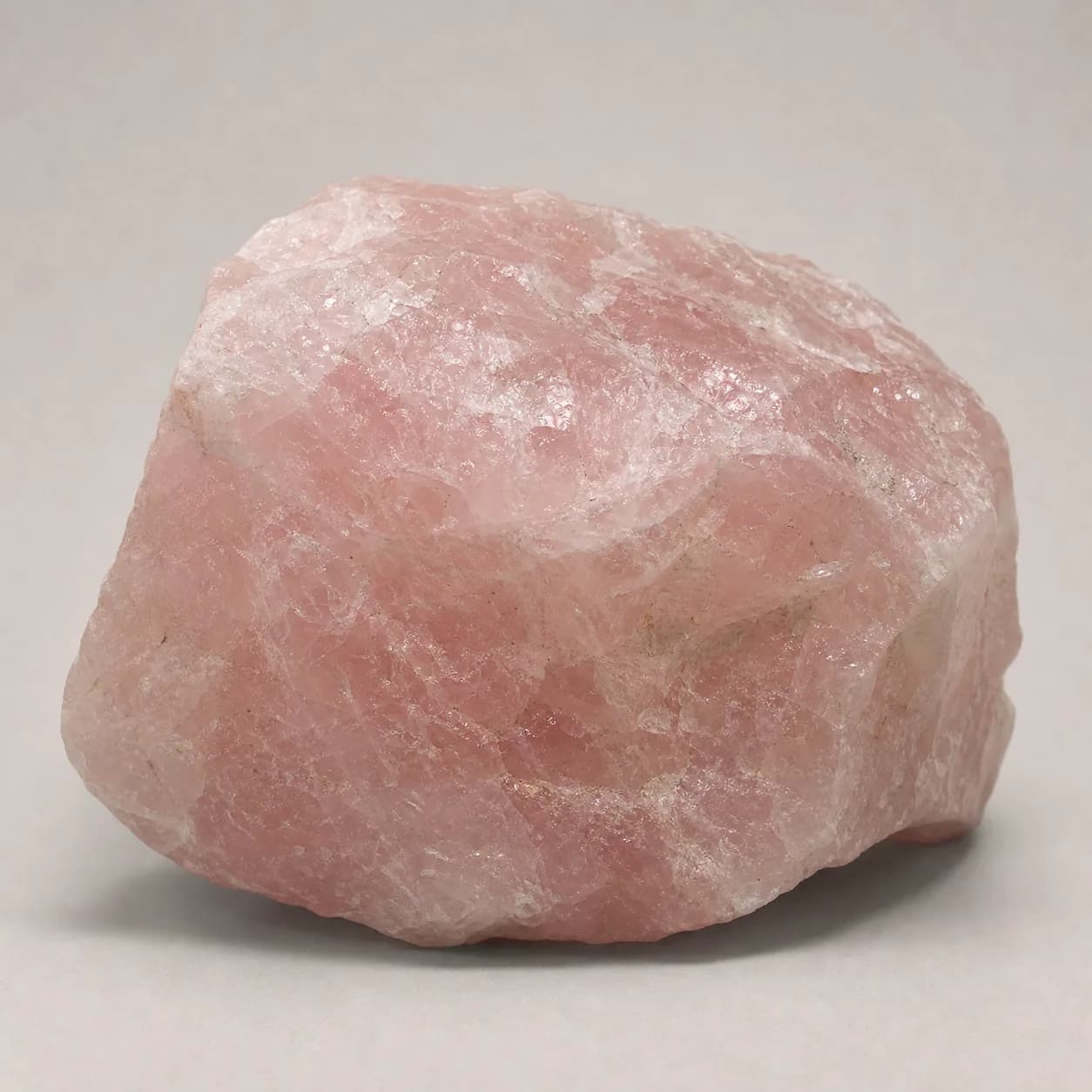 火
火 火
火 火
火