
Transformation on purpose
Malachite's bands record a stone that grew in layers — tradition reads it as change laid down deliberately. It's worn through career pivots, moves and reinventions as a commitment to see them through.
Wood element (木)
Banded copper carbonate · 孔雀石
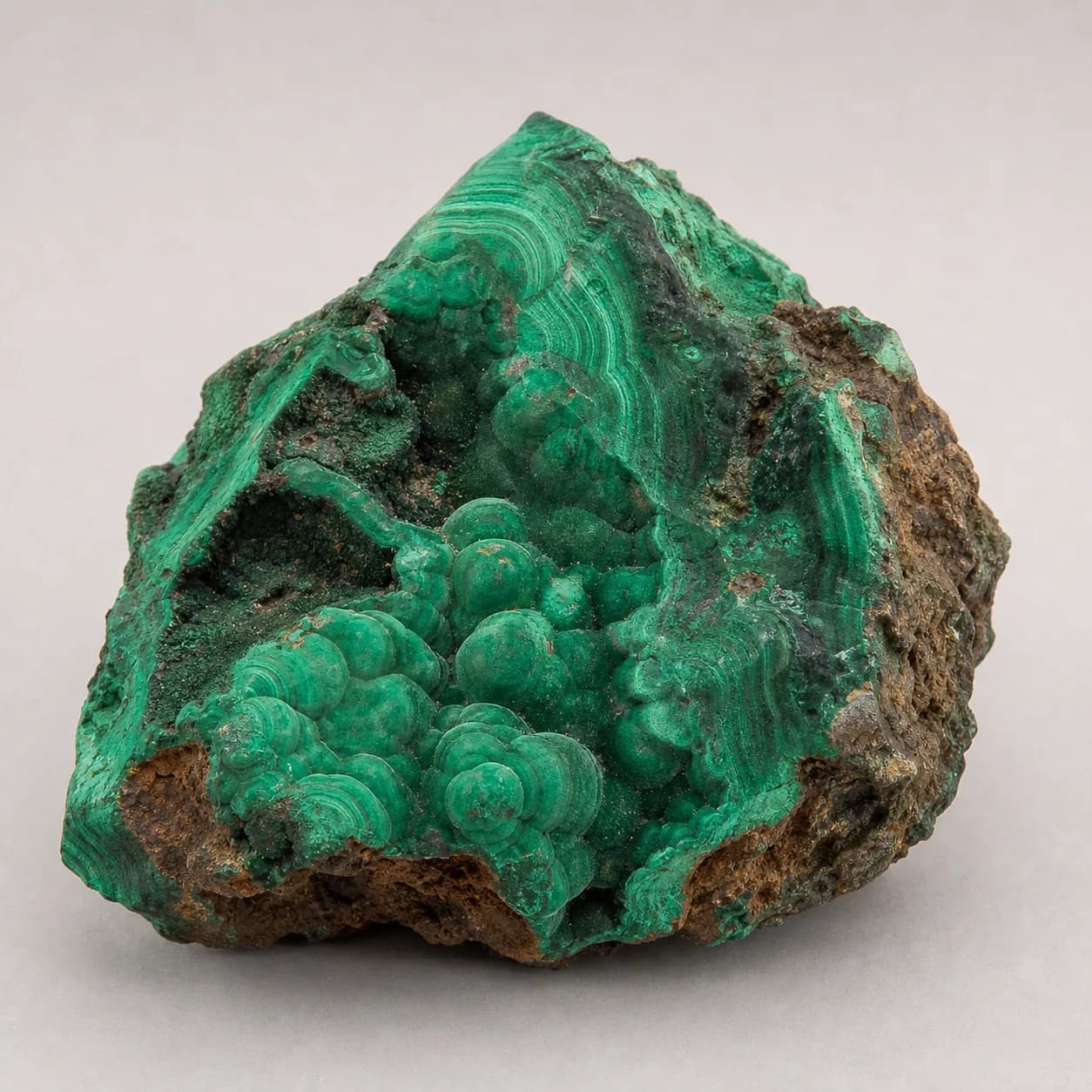
Malachite's swirling bands of deep and bright green look like a forest seen from above — in Chinese it's the peacock stone, named for the bird's iridescent tail. Ground into pigment for Egyptian eye paint and Renaissance masterpieces, it has always been a stone of bold statements. Tradition makes it the mineral of transformation: change embraced rather than endured.
Malachite's bands record a stone that grew in layers — tradition reads it as change laid down deliberately. It's worn through career pivots, moves and reinventions as a commitment to see them through.
Old European lore made malachite the traveller's stone, hung over journeys to warn of danger. It remains the classic bead for frequent flyers and anyone whose work lives on the road.
Malachite is associated with the brave, honest conversation — saying what needs saying. Its green ties it to the heart in Western lore; its intensity keeps the words candid.
Malachite is a Wood element stone with unusual force — Wood's growth, but the storm-season version that breaks old branches so new ones can grow. Use it in a strand when the goal is decisive change, and balance it with Earth stones like smoky quartz when you want the change grounded. Read your own five-element chart to see how much Wood your birth date calls for.
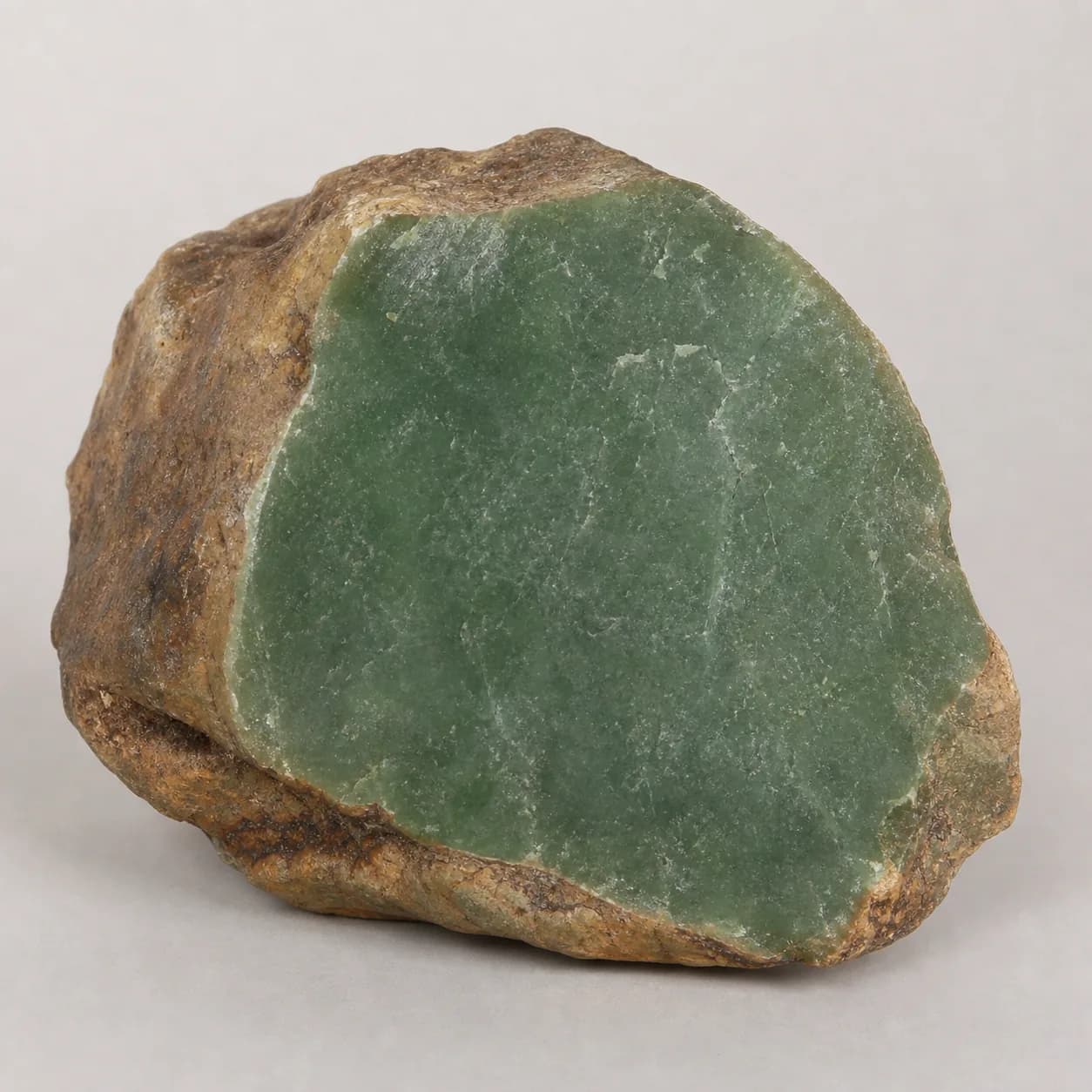
Malachite makes a statement bead — one or two go a long way. Tradition favours the left wrist during a transformation you're inviting, the right when you're pushing change out into the world. Pair it with jade to steady the ride.
Malachite is soft and copper-based: keep it away from water, sweat-heavy workouts and any cleaning chemicals — wipe it only with a dry or barely damp cloth. Store it apart from harder beads to protect its silky bands.

 木
木 木
木 木
木 木
木